Jointly developed solution from COP

Jointly developed solution: Circular Ocean-bound Plastic (COP) This publication brings together the knowledge, methods and practical experience developed throughout the Circular Ocean-bound Plastic (COP) project into one transferable approach. Based on research and field testing across Aarhus, Gdańsk and Rostock, the methodology connects the entire value chain – from identifying litter hotspots and monitoring waterways …


Publication: Roadmap for monitoring and sampling riverine litter in urban waterways

Roadmap for the Implementation of Monitoring and Sampling of Riverine Litter A Practical Framework for City-Level Monitoring, Data Harmonisation and Mitigation Planning How can cities build a clearer picture of the litter flowing through their rivers, and turn that knowledge into effective action? This publication provides a practical framework for establishing consistent and reliable monitoring …

Publication: Best practice examples and a Mitigation Roadmap for Wider Adoption

From monitoring to mitigation: A practical roadmap for cities to reduce local riverine litter pollution Developed as a key outcome of the Circular Ocean-bound Plastic project, this publication translates the project’s research, monitoring data and practical experience into an actionable roadmap for reducing plastic pollution in and around urban rivers. It is designed for municipalities, …

Report: Up-scale pyrolysis testing of riverine plastic

Report: Up-scale Pyrolysis of Selected Aarhus River Plastic Can ocean-bound plastic become a resource through chemical recycling? This publication explores pyrolysis as a potential recycling route for polypropylene (PP) and polyethylene (PE) collected from the Aarhus River. The results show that selected river plastics can be converted into oil and wax products with characteristics broadly …

Report: Chemical recycling options for ocean-bound plastic

Chemical recycling options for ocean-bound plastic Plastic collected from rivers can be challenging to recycle due to contamination, environmental degradation and mixed material types. So what options exist when conventional mechanical recycling is not suitable? This report explores the potential of chemical and solvent-based recycling for ocean-bound plastic collected through the COP project in Aarhus …

Report: Trial production of recovered riverine litter

Trial production of PP from Aarhus River This report takes the next step from testing to real-life demonstration. In a trial, polypropylene (PP) collected from Aarhus River was sorted, cleaned and processed into new material, which was then used to manufacture demonstration products including trophies and bookshelves. The trial shows that properly processed river-collected plastic …

Data sheet: Waste collection data

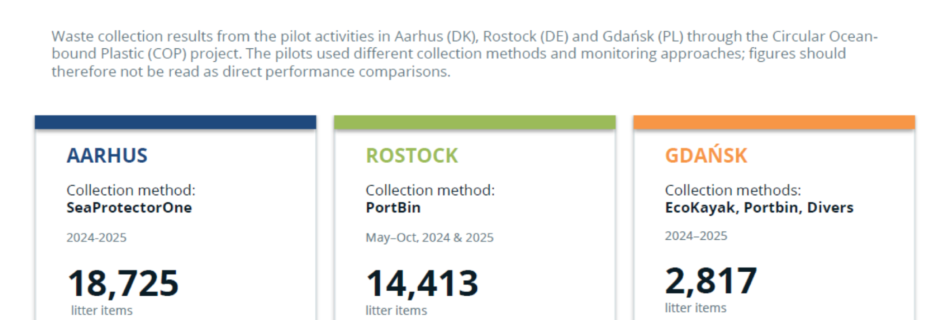
COP pilot cities: Waste collection data This data sheet summarises the collection data from the three COP pilot cities, Aarhus (Denmmark), Rostock (Germany) and Gdansk (Poland). Disclaimer: The pilots used different collection methods and monitoring approaches; figures should therefore not be read as direct performance comparisons.

Webinar: Mitigation Roadmap for cities to reduce riverine litter

From monitoring to mitigation: A practical roadmap for cities to reduce local riverine litter pollution Online webinarDate: 27 August 2026Time: 09:30–10:30 (CEST)Free registration An estimated 80% of marine litter originates from land-based activities, with rivers and waterways acting as major pathways transporting waste from our cities to the sea. This means that cities located along …

COP success story video

From local action to regional impact: Tackling ocean-bound plastic together Plastic pollution does not stop at national borders. Rivers and waterways connect communities across the South Baltic region, carrying litter from inland areas to the sea. Addressing this challenge requires more than local action alone. It requires collaboration, knowledge sharing, and a common commitment to …

Flow of Plastic: International final conference

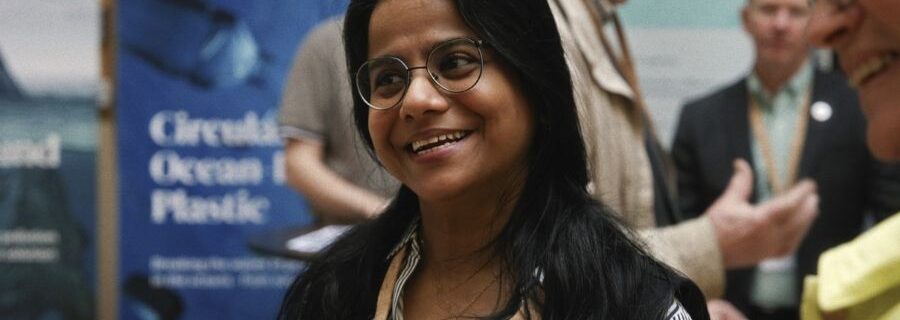
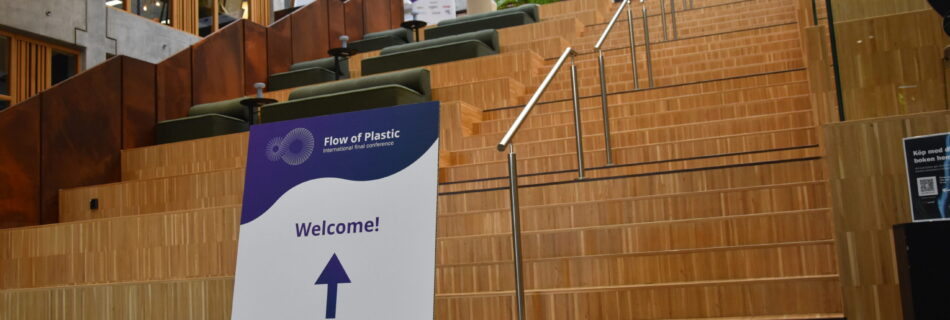
On 21 May 2026, Flow of Plastic – International Final Conference brought together partners, companies, researchers, public organisations and circular economy frontrunners at STUDIO Malmö. A glimpse into the atmosphere at Flow of Plastic – International Final Conference in Malmö, where partners, companies, researchers and public organisations from across the South Baltic region came together …